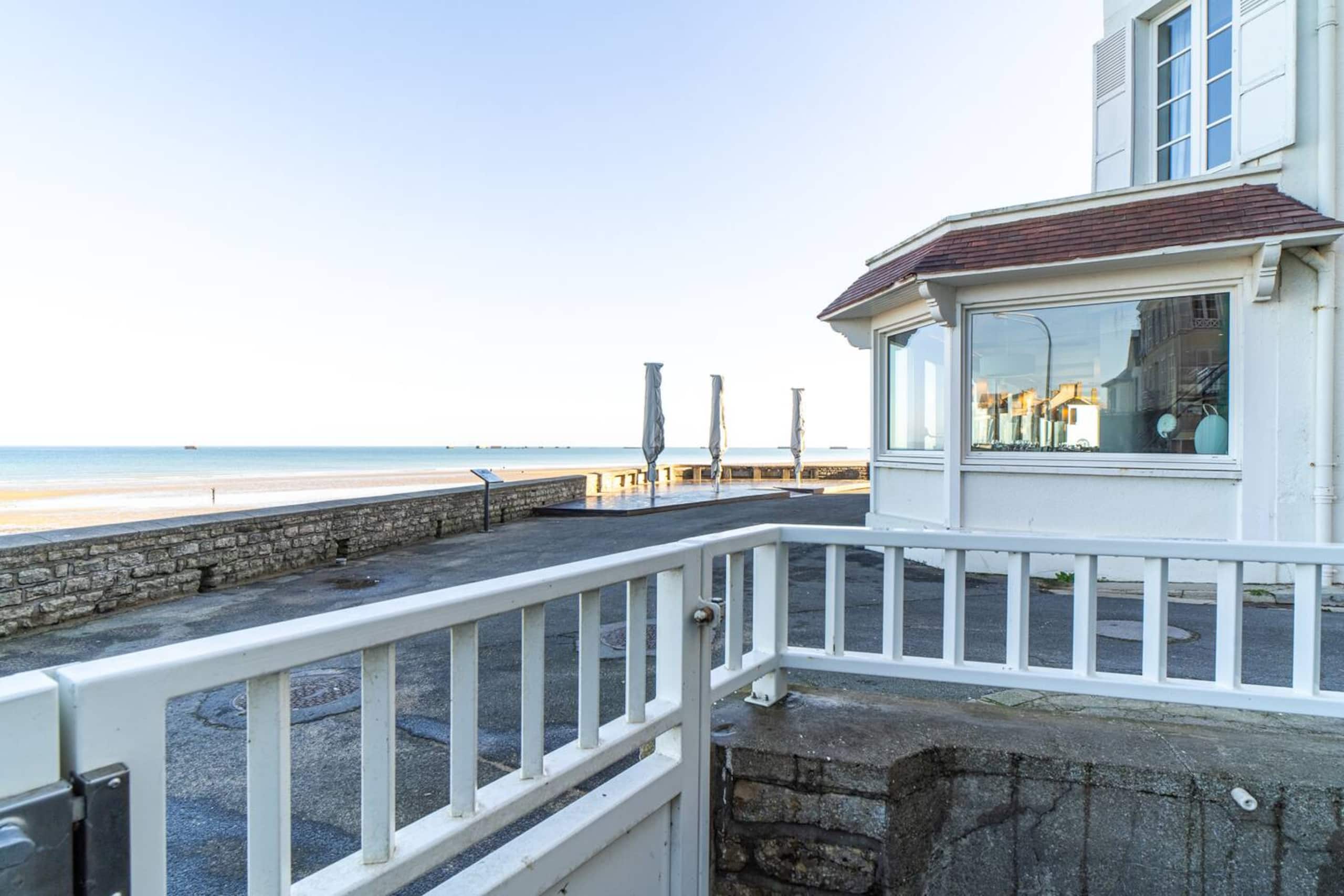
The four seasons of a D-Day trip
Spring — April, May
Weather warming (12-18 °C), landscape green, museums opening for full hours around Easter. May is one of the sweet spots — few crowds, all sites open. April can be rainy but atmospheric. Book 2 months ahead.
Early summer — early June, the anniversary window
The most emotional and most crowded time. Official ceremonies at every major site around June 6. Ceremonies, reenactors, restored vehicles, fly-overs of vintage aircraft. Veterans and descendants received with real solemnity. On June 6 itself, some roads close and passes are sometimes required at the American Cemetery. Prices peak; accommodation books out 6-12 months ahead.
Summer — late June, July, August
Peak family season. Warm weather (17-25 °C), all sites open with extended hours. Queues at Pointe du Hoc, the American Cemetery visitor centre, the Juno Beach Centre. Parking in Arromanches fills before 10 am. Dinner reservations recommended. The beaches themselves are never oppressively crowded — they are wide.
Late summer, autumn — September, October
The other sweet spot. Weather mild (12-20 °C), sea still warm-ish, French schools back so families thinner. Museum hours remain long through September. October has thinner crowds and stable weather in the first half; the second half turns rainier.
Winter — November to March
Quiet, mild for the latitude (4-10 °C), atmospheric. Cemeteries stay open year-round; the American Cemetery in low winter light is haunting. Downsides: many small museums close December-February, coastal wind is sharp, restaurant hours reduce. Good for repeat visitors and photographers.
Month by month
January — 4-8 °C, wet, quiet. American Cemetery and Longues battery open. Most small museums closed.
February — 4-9 °C, similar. Villa hosts you at low season rates.
March — 6-12 °C, changeable. Museums start reopening for the season. Good for wildflowers and empty beaches.
April — 8-14 °C. All museums open by Easter. Occasional rain, dramatic skies.
May — 12-18 °C. Sweet spot #1. Book 2 months ahead. Long days, thin crowds, all sites open. Our top recommendation for a first visit.
June (1-5) — building anniversary pressure. Book 6+ months ahead for any dates. Weather 14-20 °C.
June 6 — the anniversary itself. Ceremonies. Passes needed at the American Cemetery. Some road closures. Emotional highlight if you plan for it.
Mid-late June — anniversary tail. Weather 15-21 °C. Slightly less pressure but still busy.
July — 17-24 °C. Peak family season. Book 3-6 months ahead. Warm, long days.
August — 18-25 °C. Peak. Similar to July. French vacation weeks (14 juillet, 15 août) add pressure.
September — 14-20 °C. Sweet spot #2. French schools reopen early September; families thin from mid-month. Weather still good, sea still swimmable early month.
October — 11-17 °C. First half stable, second half rainier. Museums still open, crowds light.
November — 7-12 °C. Wet and quiet. American Cemetery hosts Veterans Day ceremony (Nov 11 in France is Armistice Day for WWI, but ABMC also holds a wreath-laying for Veterans Day).
December — 5-10 °C. Off-season. Long nights. Quiet villa evenings.
Weather essentials — for any month
Always pack a waterproof. Normandy averages 700-800 mm of rain per year, spread across all seasons. Even a July afternoon can bring a squall.
Wind. The coastal wind can be sharp even in summer. A light jacket is useful in the evening year-round.
Layers. Morning fog can burn off to a bright midday. Dress in layers.
Sea temperature. Swimming is comfortable July-August (17-19 °C); brave souls swim June and September (14-16 °C). Rest of year: too cold for most.
Anti-heatwave destination. Recent summers have shown Normandy staying 5-10 °C cooler than inland France and the Mediterranean during heatwaves. Increasingly popular with French visitors escaping southern heat.
When to book
- June 6 anniversary: 6-12 months ahead.
- July-August: 3-6 months ahead.
- May, September: 2-3 months ahead.
- October-April: 1-2 months ahead, sometimes last minute.
Quick Q&A — best time to visit
Best time overall?
Late May and September — mild weather, thin crowds, all museums open.
Is June 6 the best?
Most emotional and most crowded. Book 6-12 months ahead. Roads sometimes close, passes sometimes needed.
Weather July-August?
17-25 °C, warm and pleasant. Cooler than most of France in heatwaves. Rain possible any day.
Winter worth it?
For repeat visitors yes — quiet, atmospheric. For a first visit no — many small museums close.
Least crowded month?
November to February. Late September is a sweet spot too.
Rain how often?
Possible any month, 700-800 mm/year. Always pack a waterproof.
Villa Bellevue — book the season that fits
10 guests, sea view, walking distance to the D-Day Museum. Different rates by season.
Check availability →Prefer a private guided tour?
Our local partner Mathilde Legoupil — bilingual licensed tour guide (Immersive Normandy Tours) — runs private half-day and full-day tours of the D-Day beaches, Bayeux, the Longues-sur-Mer battery, Mont-Saint-Michel and Giverny. Ideal for American, British, Canadian and Australian visitors who want context and depth without driving themselves. See her profile on our partners page.